

Indoor golf is changing fast.
A few years ago, most golf simulator businesses were small side concepts with a couple bays and basic booking software. Now the industry is becoming more serious. Bigger facilities are opening. Membership models are getting stronger. Players expect premium technology, smooth mobile experiences, leagues, coaching programs, and social communities that keep them coming back.
Golfinity has grown into one of the largest and most ambitious indoor golf facilities in the United States. And when it came time to choose the platform powering its operations, member experience, and bookings, they chose the best golf simulator booking software, OpenCourt.
Golfinity Was Built Bigger Than a Typical Simulator Facility
Most indoor golf businesses start with a simple idea: rent simulator bays by the hour.
Golfinity approached it differently from the start.
Their Austin facility was designed as a full indoor golf club experience with coaching, memberships, junior development, private events, leagues, club fitting, and community built into the business model. The venue spans roughly 20,000 square feet and combines Trackman and Foresight technology with instruction programs, social events, and year round training.
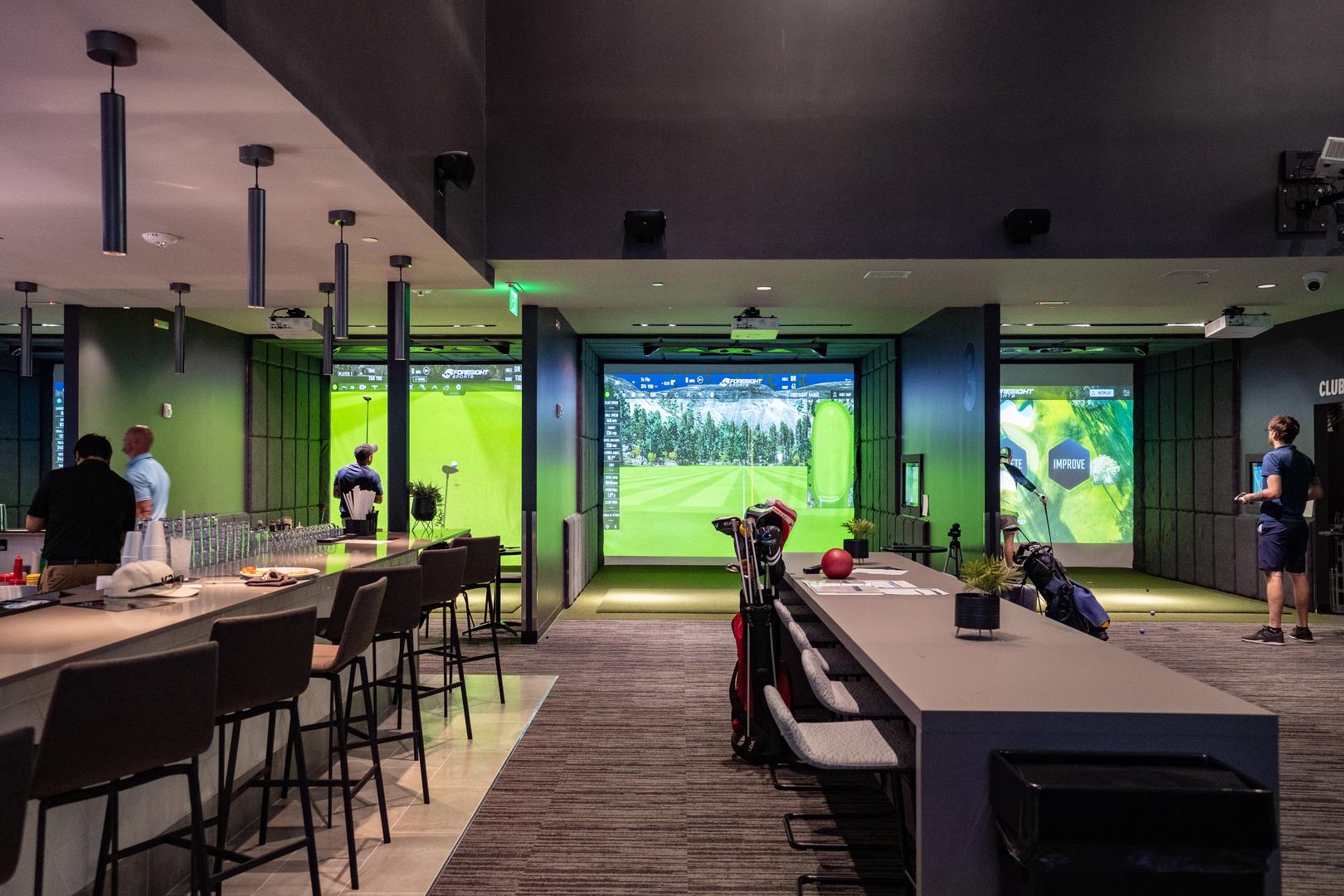
That matters because operating a true large indoor golf club is very different from managing a few simulator reservations.
Once a facility reaches that level, basic and older golf simulator scheduling systems stop being enough.
You need software that can handle memberships, recurring revenue, events, lessons, leagues, retail, access control, customer engagement, and a premium mobile experience without feeling clunky for staff or members.
That’s where a lot of operators hit friction.
Aaron Bergman Didn’t Build Golfinity Around Casual Golfers Alone
Founder Aaron Bergman has spent decades teaching golf around the world. Before launching Golfinity, he built youth golf programs that expanded into more than 85 schools across Central Texas and later launched The Golf School, one of the first subscription based golf academies in the United States.

This shaped Golfinity into a more community driven than the average golf simulator venue.
The goal was not just to rent bays.
It was to create a place where golfers improve, train consistently, meet people, bring families, join leagues, and stay engaged long term.
That’s a very different operational challenge than running hourly reservations.
Facilities built around retention and community usually need software that supports that vision instead of fighting against it.
Indoor Golf Customers Expect More Than Booking Software Now
This is becoming one of the biggest shifts in the golf simulator industry.
Players now expect the same polished experience they get from modern fitness studios, premium pickleball clubs, or high end sports venues.
They want fast mobile booking.
They want easy payments.
They want memberships that actually make sense.
They want league management.
They want communication inside the app.
They want access control that works smoothly for 24/7 operations.
They want events, groups, coaching, and social interaction built into the experience.
A lot of older indoor golf booking platforms still feel stuck in an earlier era.
The gap becomes obvious inside larger facilities.
Across golf simulator communities online, operators regularly complain about outdated interfaces, inflexible systems, and disconnected tools that require multiple platforms just to run daily operations.
It’s the reason newer indoor golf facilities have started moving toward modern club management systems instead of traditional booking software.
Why OpenCourt is Best for Large Indoor Golf Clubs like Golfinity
OpenCourt was originally known in racquet sports, but the platform has expanded aggressively into golf simulators and modern indoor sports facilities.
The platform focuses heavily on member retention, social engagement, leagues, integrated payments, branded mobile apps, POS systems, and modern club operations instead of acting like a simple reservation calendar.
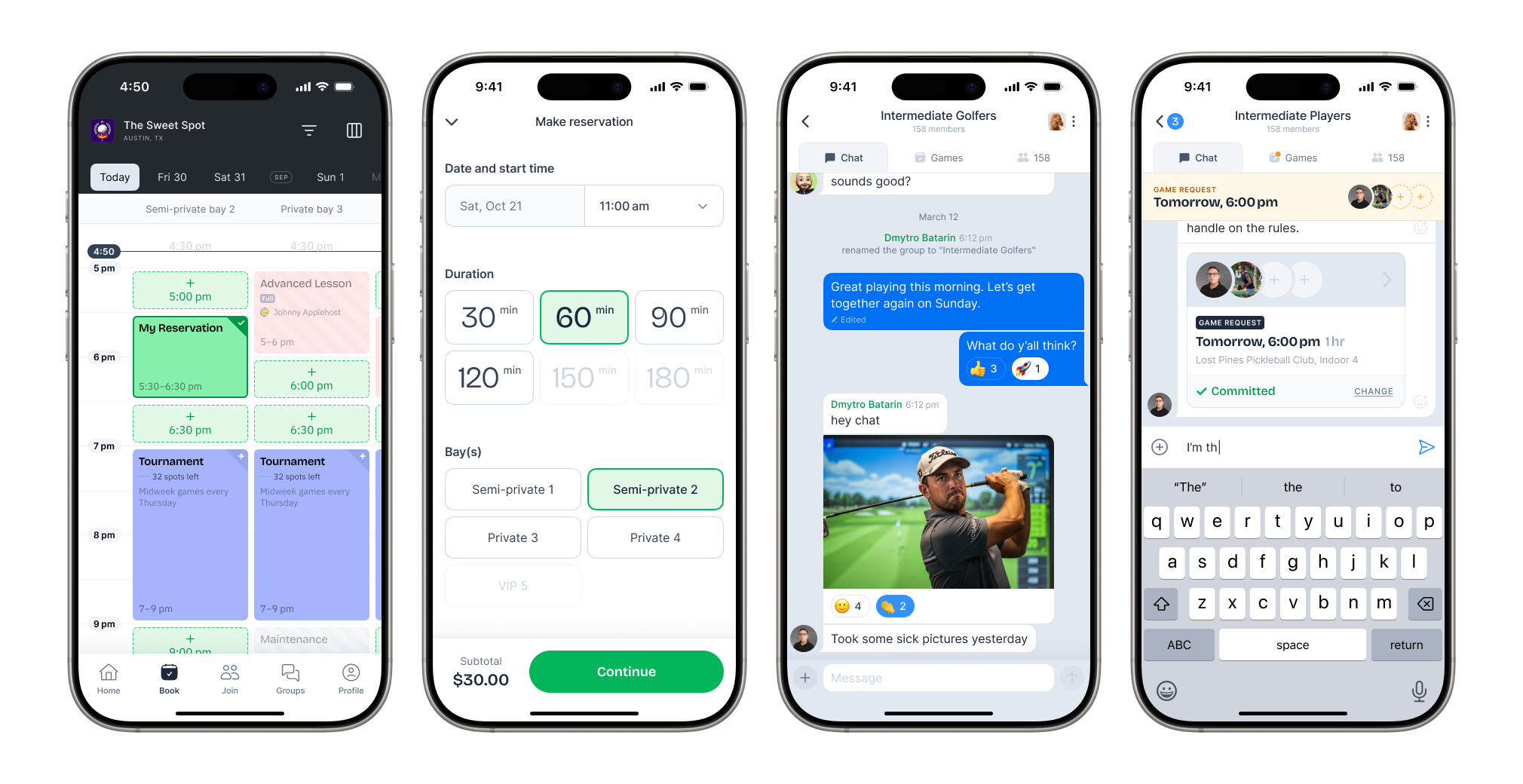
For an indoor golf facility like Golfinity, these platform features are beneficial.
Golfinity is not trying to operate like an old school tee sheet business. They are building a modern indoor golf community with memberships, coaching, junior development, events, and recurring engagement.
OpenCourt works best in the model because the software is designed around community driven clubs instead of one time transactions.
A Premium Experience Actually Matters in Indoor Golf
One thing that often gets overlooked in golf simulator businesses is perception.
Indoor golf is competing against traditional golf, entertainment venues, country clubs, and increasingly sophisticated sports facilities.
If the booking flow feels outdated, if payments are annoying, if memberships are confusing, or if the mobile app feels old, customers notice quickly.
OpenCourt is making the member side feel modern and clean instead of administrative and complicated. The platform includes integrated payments, branded mobile apps, social features, in app messaging, memberships, events, POS functionality, and AI integrated business intelligence tools that help club owners and operators better understand utilization, engagement, and retention patterns.
These functionalities create a smoother experience for both staff and members for larger indoor golf clubs.
And smoother experiences usually lead to stronger retention.
The Indoor Golf Industry Is Becoming More Community Driven
The biggest trend happening right now is that successful facilities are becoming more than simulator rooms.
They are becoming communities.
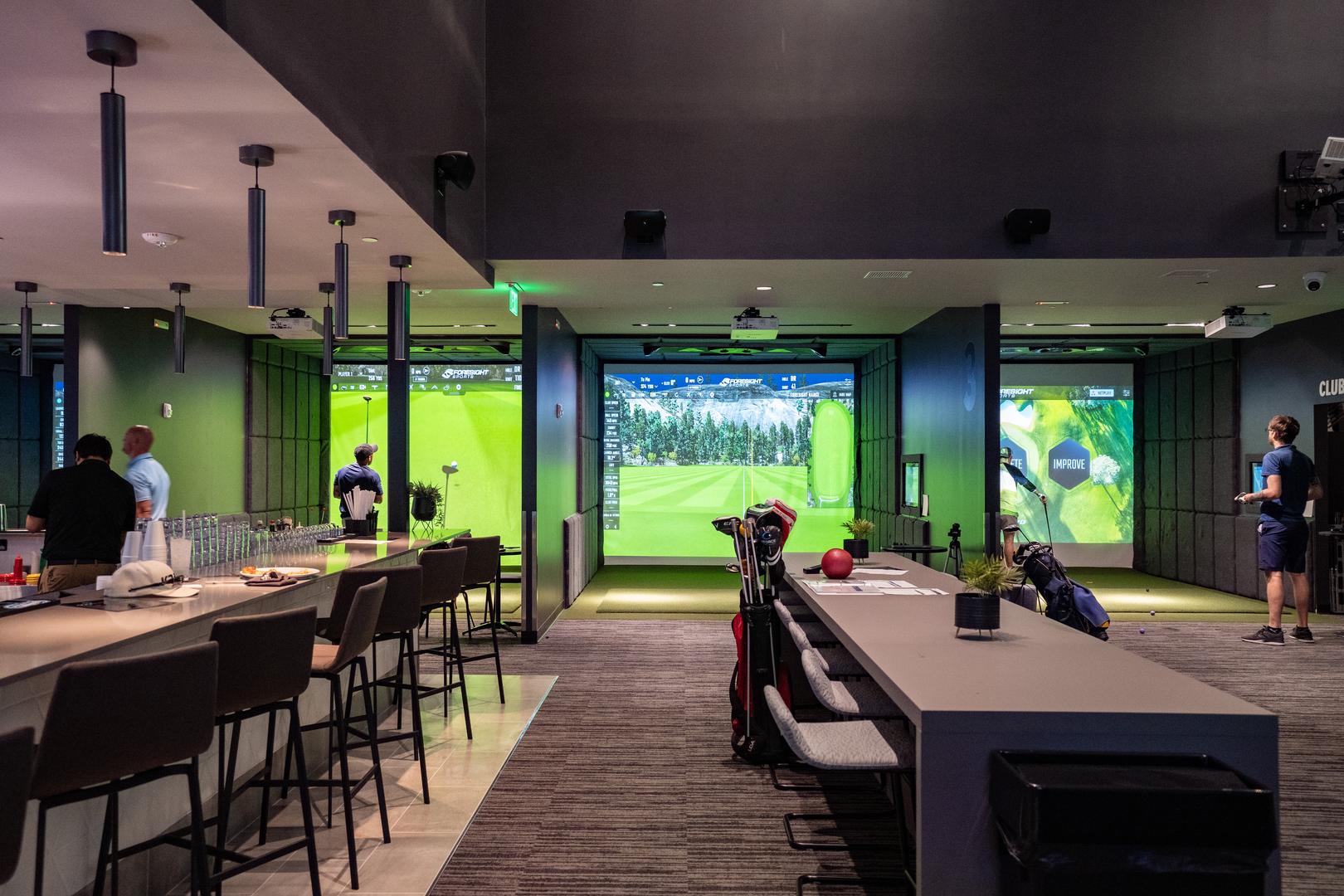
You can see it across the market.
Indoor golf clubs are adding lounges, events, remote work areas, food programs, leagues, junior coaching, memberships, and 24/7 access models. Inside Nine TX built its concept around simulator technology, lounges, workspace access, and community focused memberships.
Operators and club owners are realizing that recurring members are far more valuable than one time bookings.
That shift changes what software matters.
The winning facilities are not just managing reservations anymore. They are building ecosystems that keep players engaged year round.
That’s the environment OpenCourt was built for.
What Other Indoor Golf Operators Can Learn From Golfinity
Golfinity choosing OpenCourt is bigger than a software switch.
It reflects where the indoor golf industry is going.
The facilities growing fastest today are usually doing a few things well at the same time:
They create strong member communities.
They prioritize recurring revenue over one time bookings.
They operate year round experiences instead of simple simulator rentals.
They invest in premium customer experiences.
They use software that reduces friction instead of adding it.
That combination is becoming the blueprint for modern indoor golf clubs.
And as more large facilities open across the country, club owners and operators are starting to realize that the software layer behind the business matters far more than they originally thought.
Fast growing indoor golf clubs like 2-1-Fore Golf and Golfinity are paying closer attention to platforms built specifically for retention, automation, and modern club operations.
Because in indoor golf, the facilities that win long term usually are not the ones with the most simulators.
They’re the ones that build the strongest communities.