
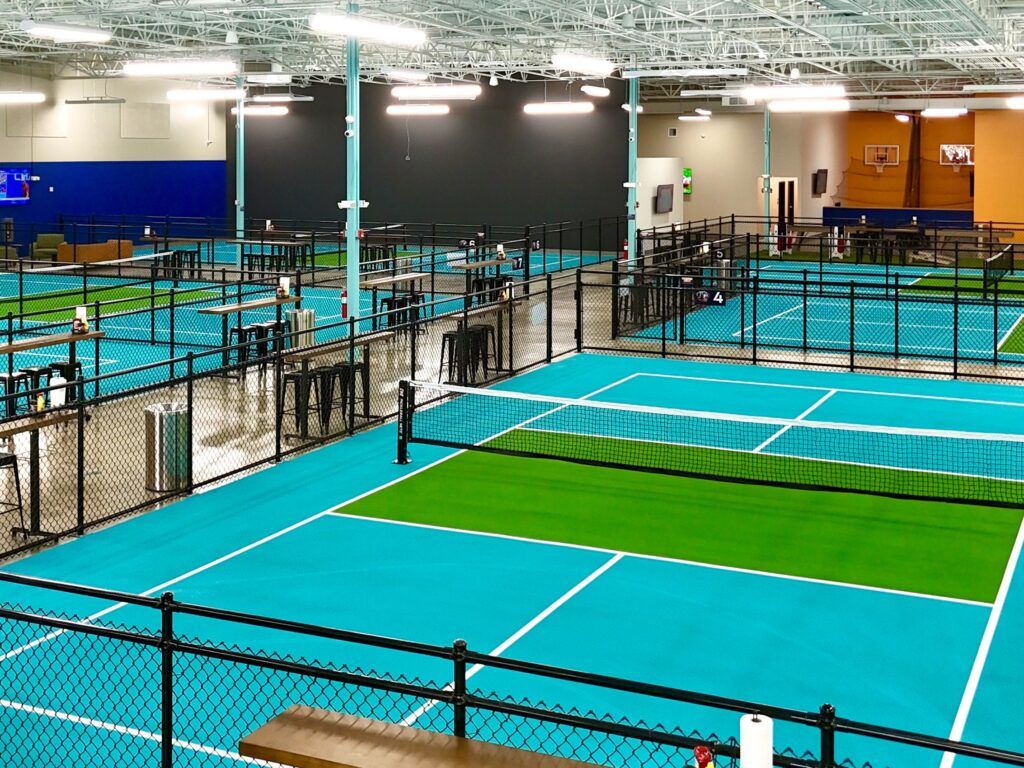
Starting a pickleball club looks simple from the outside. Courts are full. Demand is growing. Players are excited. But once the doors open, reality hits fast.
The clubs that last are usually the ones that think beyond court rentals. They focus on operations, retention, programming, and community from day one. The clubs that struggle often run into the same problems over and over again.
Here are the biggest mistakes club owners and operators keep making, and how smart clubs avoid them.
Mistake #1: Thinking Court Rentals Alone Will Carry the Business
A lot of new clubs assume memberships and court bookings are enough to make the numbers work.
That usually changes after a few months.
The most successful clubs build multiple revenue streams early. Clinics, leagues, lessons, events, tournaments, junior programs, food and beverage, and pro shop sales all matter. Clubs that rely too heavily on open play and court rentals often struggle with thin margins and inconsistent revenue.
The better approach is to treat the club like a hospitality and community business, not just a building with courts.
A good pickleball club management software matters more than you think.
Modern platforms help clubs manage bookings, memberships, POS operations, leagues, communication, and reporting in one place instead of stitching together spreadsheets and disconnected apps (a booking software plus a separate WhatsApp or GroupMe).
Mistake #2: Opening Before Operations Are Ready
Some clubs spend months designing the space but barely plan the daily workflow.
Then opening week arrives and staff are scrambling.
No clear booking policies. No cancellation rules. No communication system. No onboarding process for members. No plan for handling peak hours.
Many operators underestimate how much operational chaos hurts member experience. Scheduling issues, payment confusion, and inconsistent communication frustrate players quickly.
Strong clubs obsess over systems before launch. They test reservations, waitlists, memberships, POS workflows, waivers, events, and staff training ahead of time.

The smoother your operations feel, the more premium your club feels.
Mistake #3: Mixing Every Skill Level Together
This is probably one of the fastest ways to annoy members.
Beginners feel intimidated. Advanced players get frustrated. Open play turns messy. Complaints start piling up.
A lot of experienced operators say skill-level separation becomes necessary much earlier than expected. Structured beginner, intermediate, and advanced sessions create a much better experience for everybody.
New clubs sometimes avoid this because they worry it feels “exclusive.” In reality, players usually prefer organized sessions with balanced competition.
The clubs that grow fastest tend to have clear systems for level-based play, leagues, ladders, and event organization.
Mistake #4: Using Old-School Systems to Run a Modern Club
A surprising number of clubs still rely on spreadsheets, text messages, paper schedules, and multiple disconnected tools.
That works for a while. Then things start breaking.
Double bookings happen. Staff spend hours fixing mistakes. Members get confused about reservations. Reporting becomes impossible.
Players also expect modern experiences now. Mobile booking, automated reminders, digital waivers, easy payments, waitlists, Apple Pay, and real-time availability are becoming standard expectations.
This is one reason more clubs are moving toward newer club management platforms built specifically for racquet sports and pickleball communities. Chipshot Pickleball and Pickle Alley have leaned into modern member experiences instead of treating technology like an afterthought.
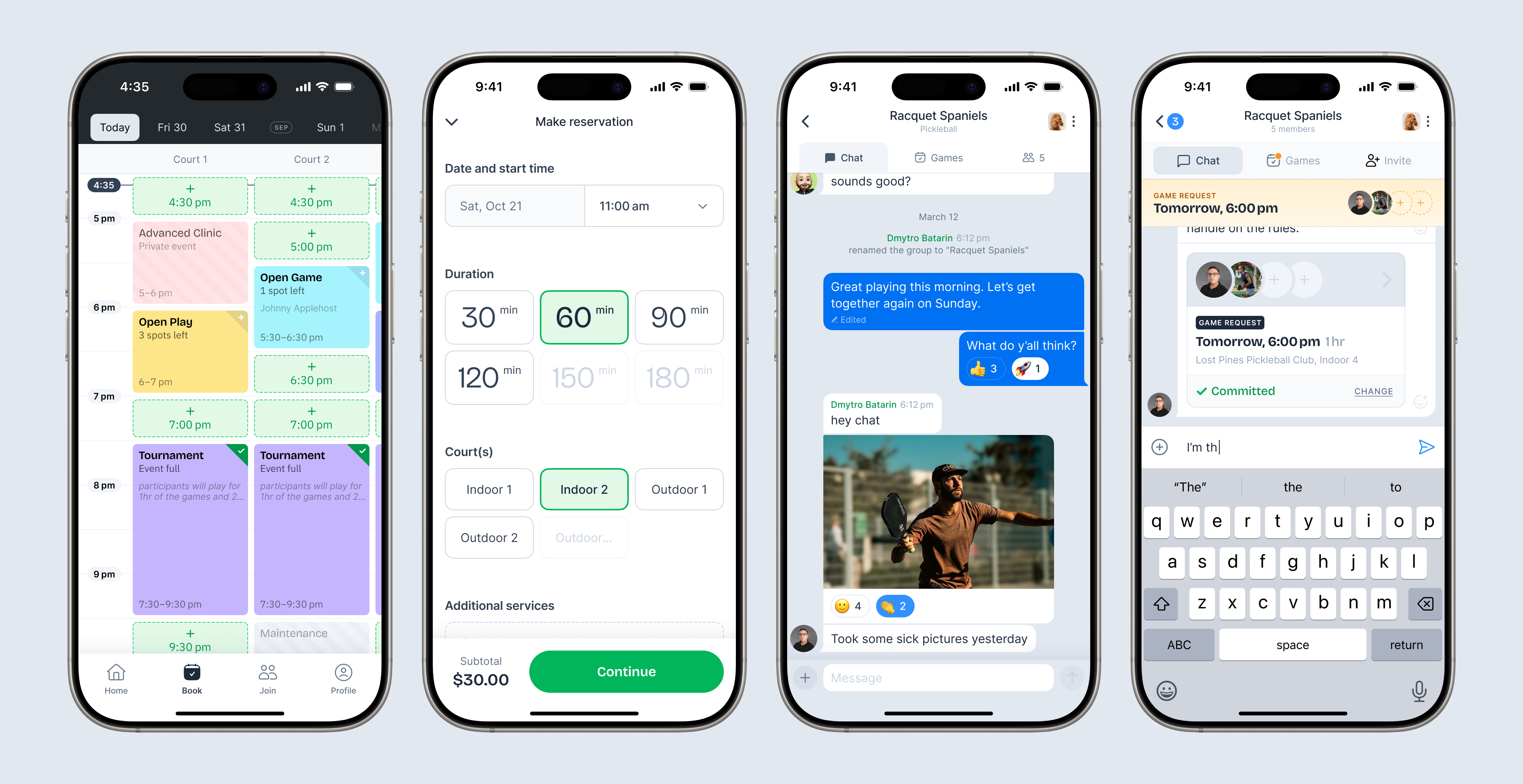
These modern clubs used a modern management platform called OpenCourt. A good platform directly affects retention, staff workload, and member satisfaction. OpenCourt expanded its AI-integrated business intelligence tools which give club owners and operators better visibility into retention trends, bookings, and operational performance.
Mistake #5: Ignoring Member Retention
New operators spend so much time chasing new players that they forget to keep existing members engaged.
That becomes expensive fast.
Retention is what stabilizes a pickleball business long term. Clubs that succeed usually create habits and community early. They welcome new members personally, communicate consistently, and keep programming fresh.
A packed opening month does not guarantee a healthy business six months later.
The clubs that retain members well usually focus heavily on:
Consistent leagues and social events.
Easy communication.
Skill progression opportunities.
Community groups.
Smooth booking experiences.
Fast staff support.
OpenCourt is designed around community engagement instead of just court reservations. It’s community-building features like player matchmaking, community groups, announcements, integrated memberships, POS, and mobile-first booking help clubs create a stronger long-term member experience.
Mistake #6: Underpricing Memberships
Many new clubs panic about pricing and try to be the cheapest option in town.
That usually backfires.
Low pricing often leaves operators without enough revenue to improve programming, hire staff, maintain courts, or invest in growth. Some clubs also accidentally attract members who overbook courts without contributing much long-term value to the community.
Operators who have been through this before often recommend pricing for sustainability instead of trying to maximize signups immediately.
Players are usually willing to pay more for a cleaner facility, better organization, stronger programming, and a smoother experience.
Mistake #7: Building a Club Without Building Community
Some facilities technically function well but still feel empty.
That usually happens when operators focus only on transactions instead of relationships.
Pickleball is social by nature. Players stay because of friendships, routines, leagues, and community culture. Clubs that ignore this often see weaker retention and lower engagement.
The best clubs intentionally create interaction opportunities. Mixers, leagues, beginner nights, round robins, DUPR sessions, social events, and group chats all matter.
People remember how a club feels more than how many courts it has.
Mistake #8: Not Preparing for Peak-Time Pressure
Peak hours become chaos at a lot of clubs.
Members complain about court access. Reservations disappear instantly. Staff get overwhelmed. Social media starts filling with frustration.
Many growing clubs eventually need waitlists, booking windows, reservation limits, or even membership caps to protect member experience.
New operators often underestimate how important fairness feels to players.
Good reservation software helps a lot here. Automated waitlists, smart scheduling tools, cancellation management, and flexible booking rules reduce friction before it becomes a retention problem.
Mistake #9: Waiting Too Long to Add Programming
Some clubs open with only court rentals and open play because it feels easier operationally.
But members eventually want more structure.
Programming is what creates recurring engagement. Clinics, leagues, tournaments, beginner pathways, social events, and seasonal programs give members reasons to keep coming back.
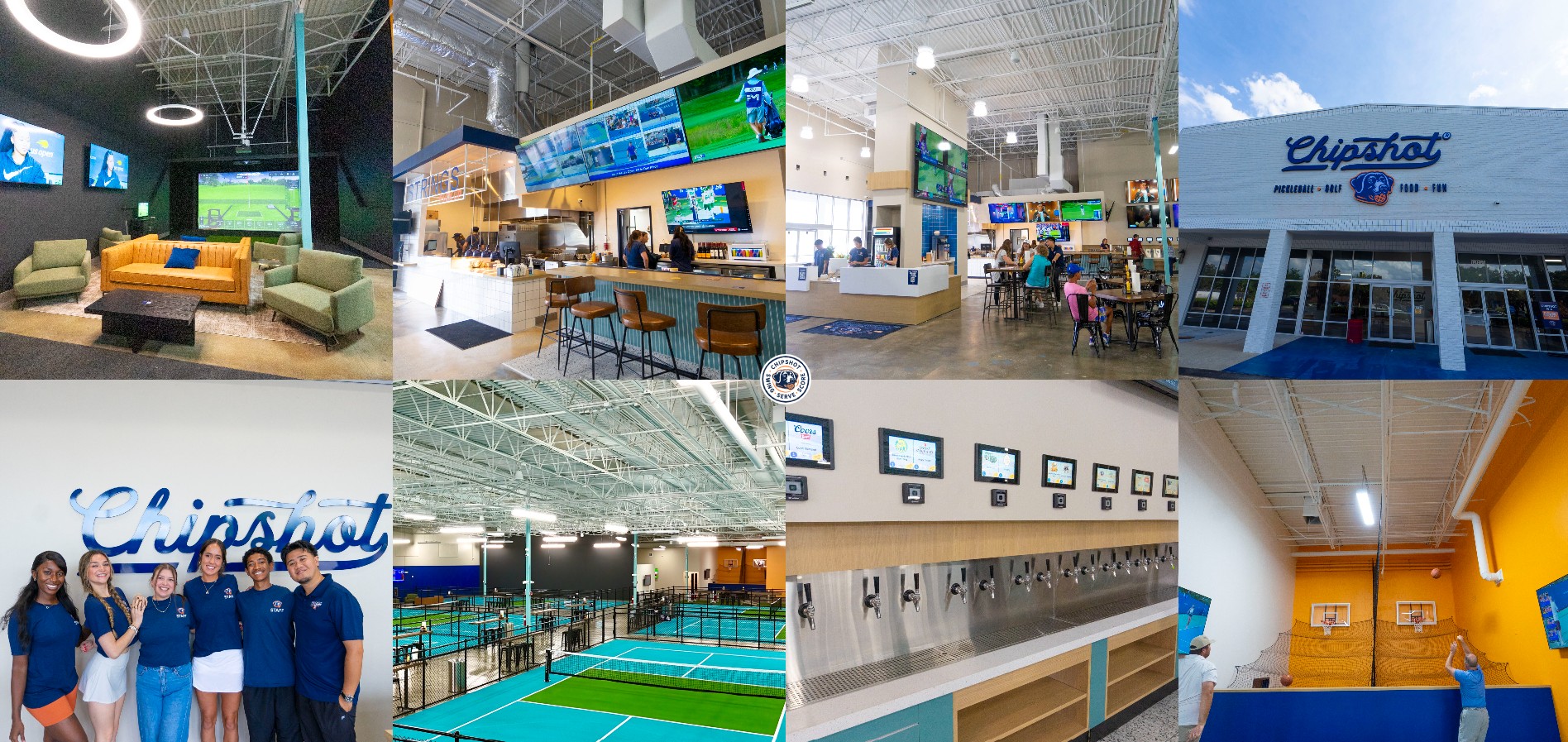
The clubs seeing the strongest growth right now are usually investing heavily in organized programming, not just court inventory.
That also creates stronger revenue consistency and better community culture.
Mistake #10: Forgetting That the Experience Is the Product
Players notice everything.
How easy booking feels.
How clean the courts are.
How quickly staff respond.
How organized events feel.
How smooth payments are.
How welcoming the community feels.
The clubs winning right now are treating pickleball more like premium hospitality and less like basic facility management.
That’s part of why operators are paying more attention to the full member experience now, from branded apps and mobile booking to integrated POS systems, automated communication, and AI-powered operational insights.
Technology alone does not build a great club. But bad technology absolutely creates friction.
The Clubs That Win Long-Term Will Look Different
The pickleball boom created huge opportunities, but the easy phase is starting to disappear.
The clubs that succeed over the next few years will probably be the ones that operate professionally, build strong communities, and create experiences members actually want to return to.
Good courts matter. But long-term success usually comes down to operations, retention, programming, and community.
The clubs that figure those things out early tend to separate themselves very quickly.